Your Cart


Access to clean water is something many people take for granted, but for rural communities, having a reliable source nearby transforms daily life. Water touches every aspect of well-being, from healthcare and hygiene to household security and time spent with family.
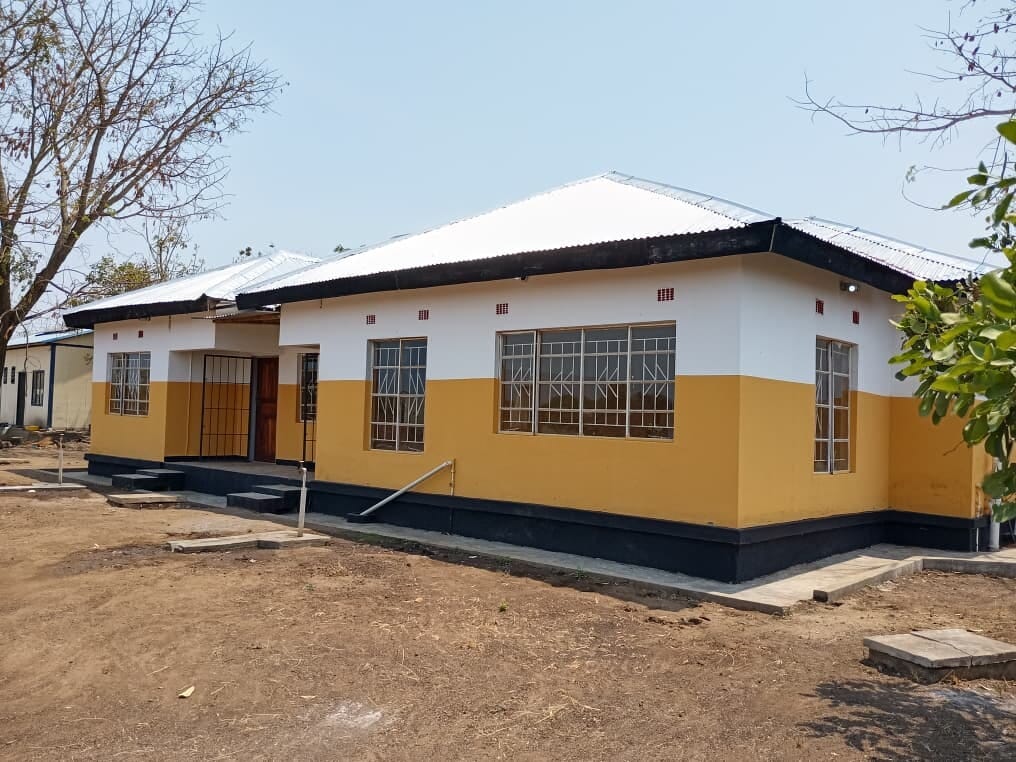
In Mphata Village Action Group within Jumbe Chiefdom, the community recently celebrated a meaningful milestone with the presentation of a new semi-detached teachers’ house. Beside this important addition to local infrastructure, the Community Forest Management Group chose to invest a portion of their carbon revenues into installing a complete water reticulation system.
This water system is doing far more than serving the new school staff housing. It now delivers clean, safe water directly to Kapole Clinic, supporting healthcare workers, patients, and families from surrounding villages who rely on the facility for care.
Access to clean water and sanitation is recognized globally as a fundamental human right by the United Nations. For any health facility, clean water is an absolute necessity. It enables health workers to maintain hygienic conditions, reduces the risk of infections, and ensures that patients receive care in a safe and dignified environment. For families living nearby, having a dependable water point closer to home means less time spent walking long distances to fetch water and more time for school, farming, and daily life.
This initiative in Jumbe Chiefdom is part of a much larger movement across the landscape. Through the Luangwa Community Forests Project, local communities have directed carbon revenues toward funding 233 water, sanitation, and hygiene projects alongside 29 health initiatives.
These achievements highlight what happens when local communities have the resources and authority to direct funds according to their own priorities. When forest custodians manage carbon revenues at the grassroots level, conservation becomes a direct driver of community health, dignity, and long-term prosperity.