Your Cart


When we picture forest monitoring, we usually envision field teams walking transects in the heat, checking for spoor in the dust, or scribbling down bird sightings through binoculars at first light. Those traditional methods remain vital, but nature has another way of reporting on itself.
What if the forest could tell us its own story?
At BCP, we are continually exploring new technologies that strengthen our understanding of biodiversity while improving how we measure conservation impact. One of the most promising is Passive Acoustic Monitoring (PAM), an approach that uses autonomous recording devices to capture the sounds of nature and translate them into meaningful ecological data.
During late 2024, we launched a pilot bioacoustics survey in our Lower Zambezi REDD+ Project, Rufunsa, to explore how this technology could complement traditional biodiversity monitoring and help shape the future of conservation finance.
A flourishing woodland is rarely quiet. First light brings territorial calls, seasonal rains trigger a chorus of frogs, and insects keep up a steady hum through the heat of the afternoon. When you combine those voices with passing mammals and nearby human presence, you get what ecologists call a soundscape.
Listening to that composite sound reveals a remarkable amount of detail about habitat health. Unlike human observers who can only cover so much ground before sunset, acoustic devices run day and night steadily without altering animal behavior. That persistent presence makes them invaluable for picking up shy, rare, or nocturnal species that routinely slip past foot patrols.
The miombo woodlands of Southern Africa harbor exceptional avian diversity, including roughly 40 to 50 specialist species found nowhere else. Birds like woodpeckers, barbets, and hornbills rely directly on mature stands and decaying deadwood for nesting and foraging.
Because these habitat specialists are finely tuned to their surroundings, their absence serves as an early warning system. If specialist calls begin to thin out, the woodland is under strain, offering an alert long before canopy loss becomes obvious on satellite maps.
Between October and December 2024, our teams deployed twenty autonomous recording stations across five distinct habitat types in the Luangwa Zambezi landscape, spanning riverine forests, open grasslands, and varying tracts of miombo.
We timed the devices to record during peak activity windows around sunrise and sunset. We processed over one hundred hours of audio through BirdNET, an automated acoustic classification platform that recognizes species by their calls.
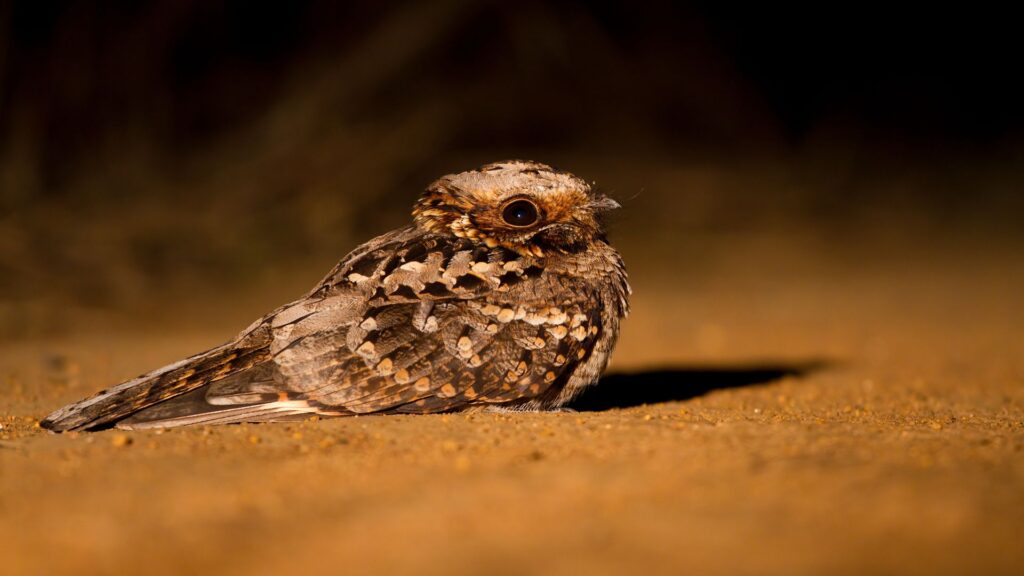
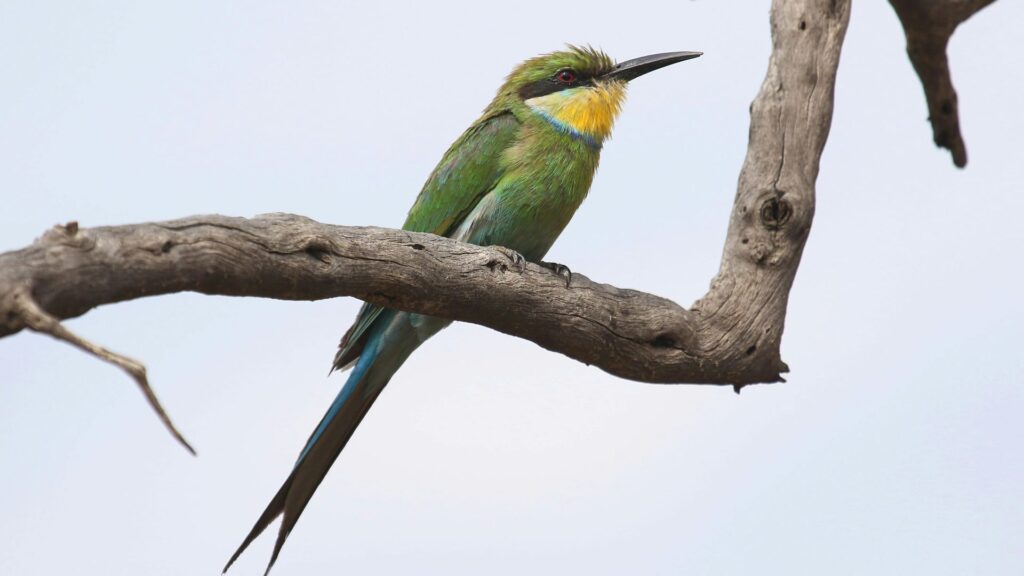
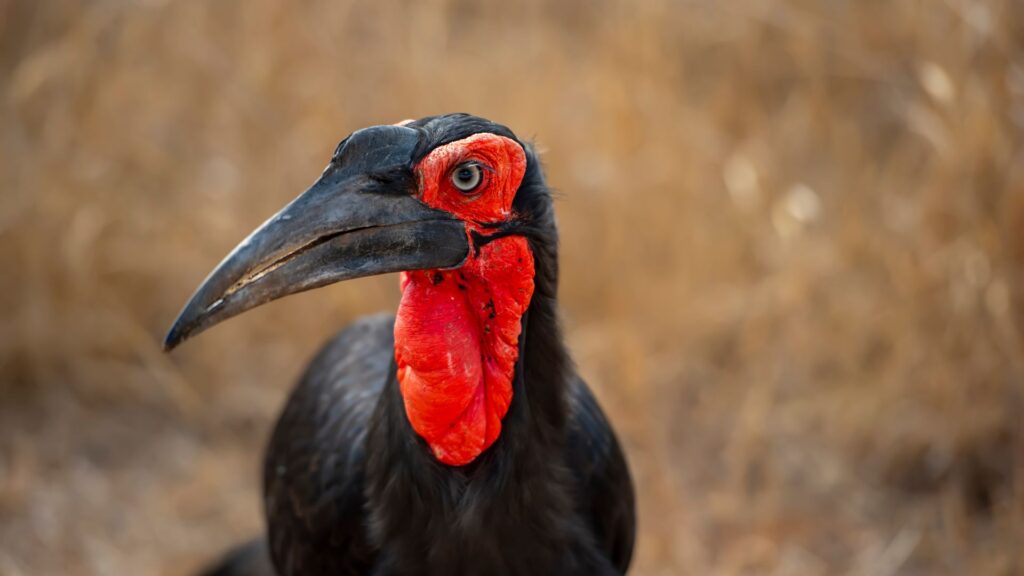
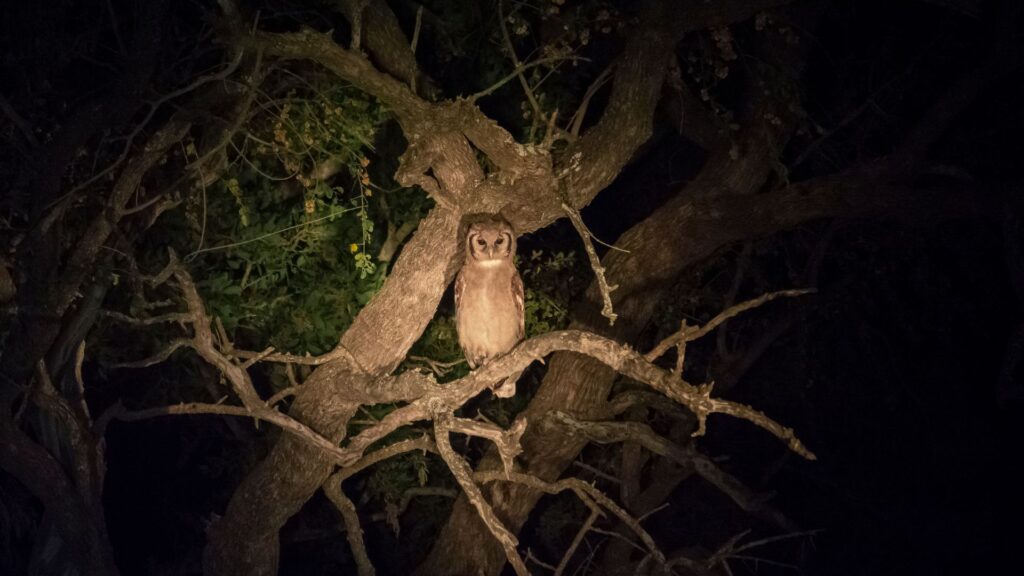
The recordings confirmed nearly 300 bird species across the project area. Among them were species of urgent conservation concern, including the vulnerable Southern Ground Hornbill, alongside the near-threatened Crowned Eagle, Eurasian Curlew, and Great Snipe. The audio also captured nocturnal and woodland favorites such as Verreaux’s Eagle Owl, the Fiery Necked Nightjar, the Swallow-tailed Bee Eater, and Arnot’s Chat.
The data mapped clear rhythms across the woodland. Morning activity was almost double that of the evening chorus, and each habitat type produced its own recognizable acoustic signature. Over time, these sound signatures give us an empirical baseline to measure against season after season.
Carbon finance relies on transparency and verifiable results, and the growing field of biodiversity credits requires that same integrity. Bioacoustics gives us a practical, repeatable way to prove that conservation efforts protect the entire living system, not just the standing wood.
Subtle changes in a soundscape expose shifts in species richness, woodland structure, and even predator-prey dynamics. This clear ecological trail aligns closely with high integrity frameworks like Verra’s SD VISta Nature standard, giving partners, local communities, and investors hard proof that conservation outcomes are genuine and enduring.

This initial run is just step one. Our team will continue to analyze the data and build a multi-season baseline across our project areas. Future deployments will expand beyond birds to track key mammals, including elephants and leopards, while integrating acoustic metrics directly into our wider monitoring and reporting systems in Zambia and Mozambique.
Guarding intact landscapes requires every good tool at our disposal. Sometimes insight comes from orbital satellites, sometimes from boots on the ground, and sometimes from simply stepping back and letting the forest speak for itself.
Every healthy forest has a story to tell; we just need to listen.