Your Cart


For families in Lumwengo Village, getting daily mealie meal has not always been simple. Mealie meal is the foundation of household nourishment across rural Zambia, forming the heart of nearly every family meal as nshima. Converting harvested maize into fine breakfast or roller meal requires reliable machinery that can be hard to come by in remote areas. When the local mill in neighboring Kantyantya went out of service, families had to travel up to six kilometers to Sangalala just to have their grain processed.
That journey took valuable time and money, placing an added strain on tight household budgets. The physical burden often fell heavily on community members who carry the primary responsibility for household food preparation, turning a routine daily task into a costly and exhausting errand.
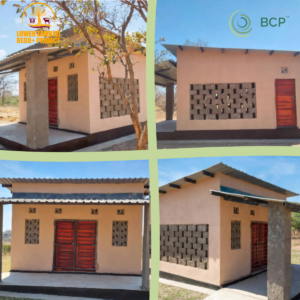
Now, a new breakfast and roller hammer mill complete with a shelter stands in Lumwengo, built using carbon fees earned through the Lower Zambezi REDD Plus Project.
Having a working hammer mill right inside the village changes everyday life in very real ways. Families no longer need to spend their hard-earned money on transport to neighboring communities, keeping more cash in household pockets for essential needs. Eliminating hours of walking means parents can reinvest that time back into tending crops, supporting their children at school, or running small home businesses. Having a reliable milling services nearby also protects grain supplies and ensures steady food security throughout the year.
This installation in Lumwengo is part of a broader commitment across the landscape. In Ndubulula Zone, communities have used their carbon fees to fund six boreholes, support local savings groups, set up other hammer mills, invest in an oil expeller, and launch a community poultry business.
Conservation is fundamentally about safeguarding forests for future generations, but it must also deliver meaningful improvements to daily life today. When local stewards protect their natural environment and see the direct rewards in essential infrastructure like a village hammer mill, community-led conservation becomes a lasting partner in local prosperity.