Your Cart


For many rural communities living along the Zambezi River, access is more than a matter of convenience. It determines whether children can attend school safely, whether families can access essential services, and whether communities have opportunities to generate income and invest in their own development.
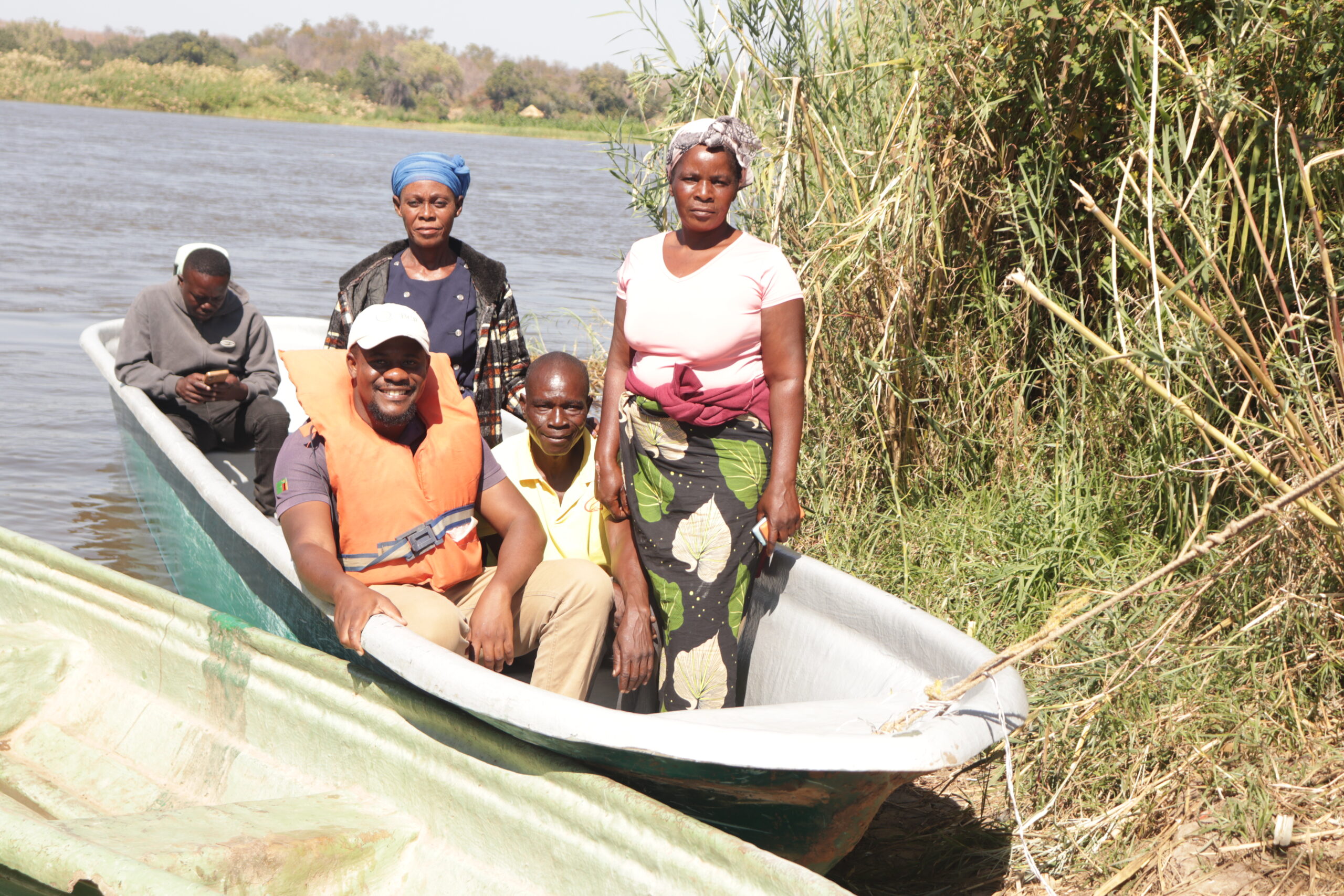
In 2025, the Mpuka Community Forest Management Group (CFMG) invested Forest Carbon Revenue from the Luangwa Community Forests Project into a community speedboat serving Chilombwe Village Area. Designed to provide safe transport across the Zambezi River while creating a sustainable source of income for the community, the project now serves 277 households across four villages.
The speedboat is transforming daily life.
For parents Christine Mfula and Vincent Mvula, it has given their children something every family hopes for: a safe journey to school,
“Before the boat was introduced, children crossed the river at considerable risk or faced long journeys that often prevented younger pupils from attending classes altogether. Crocodiles, hippos, and elephants were a constant danger along the river, making the journey both difficult and frightening”.
“Today, children are transported safely across the Zambezi each school day, improving access to education and giving families greater peace of mind”.
The project is also creating economic opportunities within the community. Enock Chindabule has been employed as the boat operator, providing him with a reliable income to support his household while delivering an essential service to neighbouring villages.
Importantly, the speedboat has been established as a community enterprise. Passengers pay a modest transport fee, with the revenue managed by the Community Forest Management Group and reinvested into future development priorities.
As Rosemary Tembo, Chairperson for Chilombwe Village Area, explains,
“The vision is to grow the business and invest in additional boats and other community projects”.
This is the strength of the REDD+ model.
Carbon finance is not simply protecting forests.
It is enabling communities to identify their own priorities and invest in solutions that strengthen livelihoods, improve access to education, create employment, and build long-term resilience.
By protecting forests today, communities like Mpuka are investing in opportunities that will benefit generations to come.
Related Articles