Your Cart


Across rural Zambia, the rhythm of life still depends on the land.
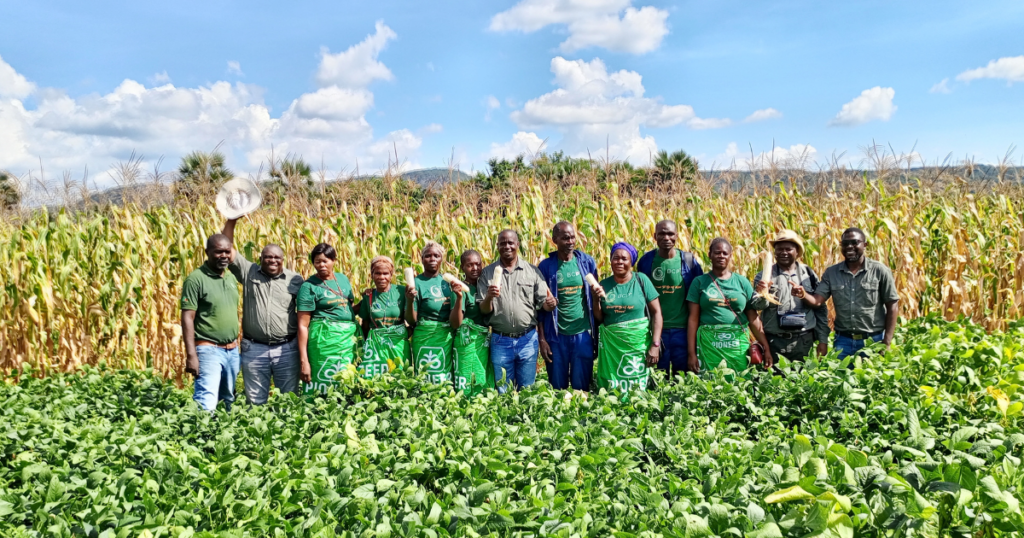
In many rural communities, it is still predominantly women who till the soil, plant the seeds, and harvest the crops that feed families and entire villages.
According to the Food and Agriculture Organization (FAO), women account for more than 70 percent of Zambia’s agricultural workforce, yet often have the least access to the resources that would help them thrive. Research from UN Women shows that only about 15 percent of Zambian women own land in their own name, and fewer than 10 percent have access to formal credit or farming inputs.
For many, the effects of climate change are deeply personal.
Unpredictable rains, prolonged dry spells, and flash floods have made it harder for farmers to plan planting seasons or produce enough food to last the year.
The 2024 Zambia Vulnerability Assessment Committee (VAC) Report estimated that more than 3.5 million people were food insecure during the 2023–2024 season — the highest figure in nearly a decade, with female-headed households among the most affected.
This is where Climate Smart Agriculture (CSA) is transforming lives.
CSA blends traditional knowledge with modern, sustainable practices to restore soils, improve productivity, and build resilience to climate shocks.
For women, it offers knowledge, access, and possibility.
At BioCarbon Partners (BCP), we support over 1,200 Lead Farmers across Zambia, more than 500 of whom are women, through CSA training under our REDD+ community livelihood initiatives.
These Lead Farmers act as catalysts for change, sharing conservation farming techniques with Follower Farmers. To date, BCP-supported Lead Farmers have trained more than 14,500 Follower Farmers, including over 7,500 women. Through this approach, communities can protect forests while improving both food security and economic opportunities.
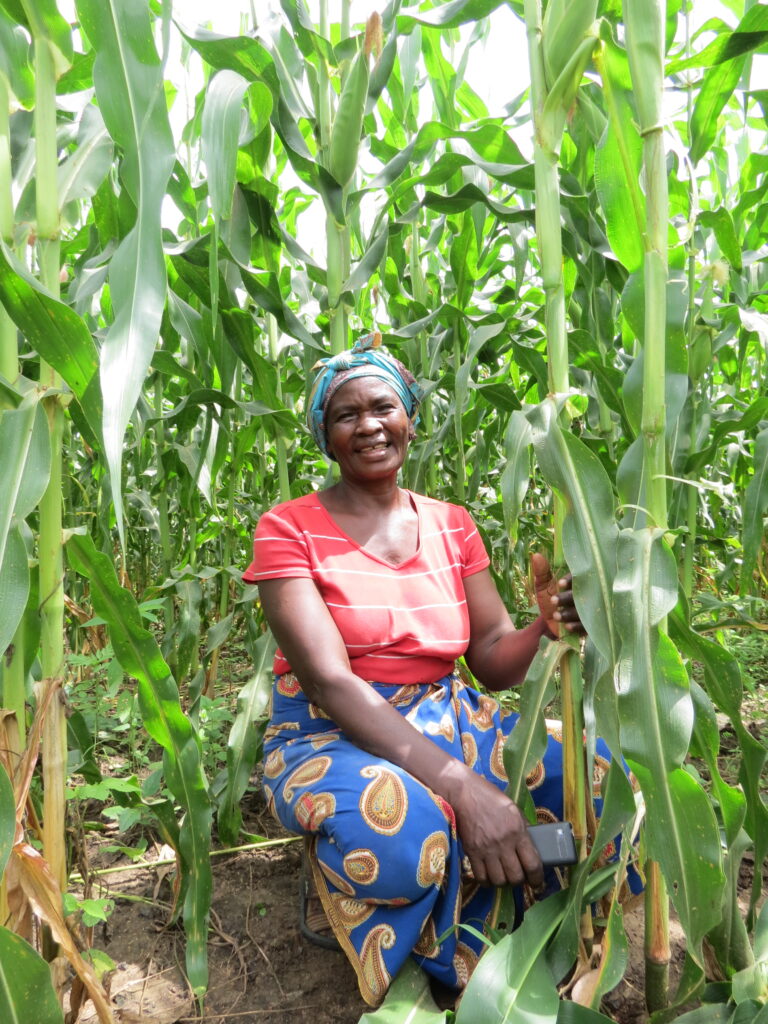
Women like Charity, a Lead farmer in Mnkhanya Chiefdom, have seen the difference firsthand.
“Following Climate Smart Agriculture changed my life, the lives of my family, and even my neighbors,” she says.
With improved yields and a secure food supply, Charity has been able to build a home, create an outdoor seating area, and start a poultry business, which has created a ripple effect of empowerment far beyond her household.
Across Zambia, these transformations are becoming more visible. Farmers practicing CSA report yield increases of up to 60 percent, even in seasons of erratic rainfall, according to the Zambia Agriculture Research Institute (ZARI) and the FAO Climate Smart Agriculture Country Profile for Zambia (2023).
In BCP sampled plots in the Luangwa Community Forests Project, for example, average yields outperformed national benchmarks:
• Maize yields averaged 5.5 t/ha, a 150 percent increase over the national average of 2.2 t/ha
• Soybean yields averaged 1.9 t/ha, compared with the national average of 1.3 t/ha
• Groundnut yields averaged 1.7 t/ha, more than double the national average of 0.7 t/ha
Globally, the FAO estimates that women comprise 43 percent of the agricultural labor force in the Global South, yet they receive less than 10 percent of available credit and a fraction of training opportunities.
Closing this gender gap could increase global agricultural output and reduce hunger for 100 to 150 million people, according to the FAO’s State of Food and Agriculture report.
For Zambia, empowering women through Climate-Smart Agriculture means much more than just better harvests.
It means stability for families.
Resilience for communities.
And a more sustainable future for generations to come.
Learn more about how BCP supports women farmers and communities across Zambia