Your Cart


How do communities ensure the benefits of protecting their forests are managed well and invested in local priorities? The answer goes far beyond tree planting and forest patrols. It truly starts with strong leadership, transparent planning, and practical management skills.
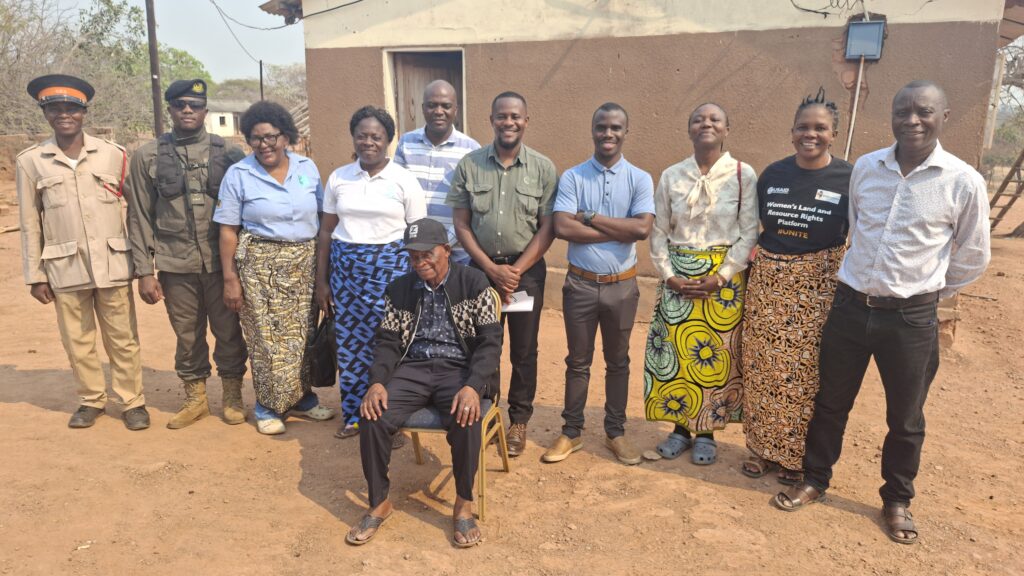
Communities are the true custodians of the land. For conservation to endure over the long term, local institutions need the tools and skills to manage these projects directly at the grassroots level.
To support local leaders in guiding their own development, the Forestry Department, in partnership with the Department of National Parks and Wildlife and BioCarbon Partners, delivered a practical capacity-building workshop. The five-day program brought together Community Forest Management Group executive members from four Chiefdoms across Lusaka Province, including Kusumba in Bunda Bunda as well as Mphuka, Mburuma, and Chaiwa.
Rather than relying on passive presentations, the sessions were designed around real-world experience. Participants spent time in hands-on group exercises, working through daily financial documents such as cashbooks, invoices, and purchase orders. The training focused on supporting executive teams as they refine their planning, budgeting, and financial routines for managing carbon revenues under the UN REDD Plus impact framework.
Attending executives shared that these practical exercises provided clear, actionable tools they can apply directly within their respective governance structures.
When local leadership is equipped to manage funds with confidence and transparency, communities are fully empowered to decide how carbon revenues serve their people, whether through building clean water points, supporting schools, or funding local health initiatives. Sustainable conservation relies on honoring local custodianship and supporting the systems that allow communities to thrive alongside their forests for generations to come.