Your Cart


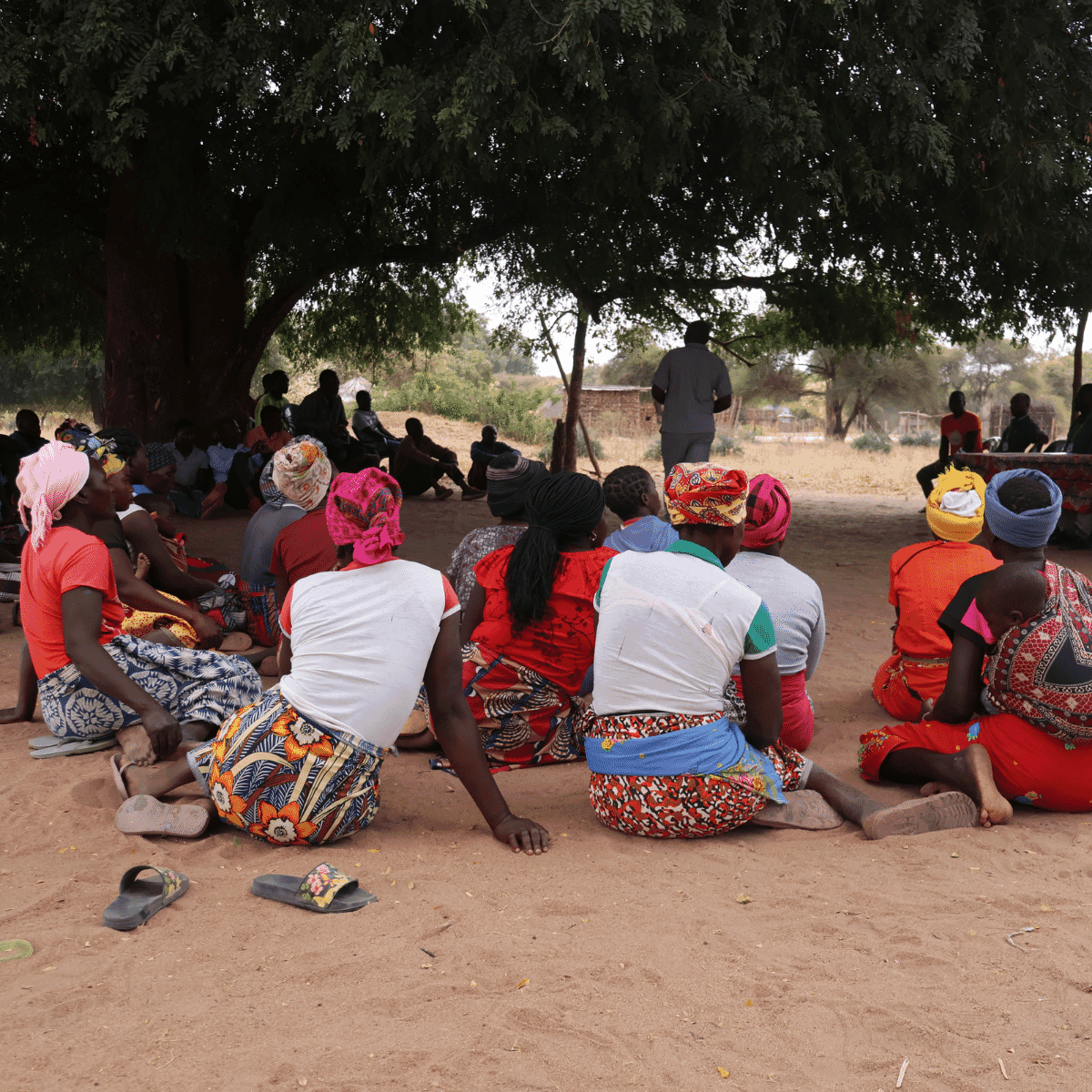
For communities living alongside wildlife, sharing the landscape with elephants can bring real challenges.
Human-wildlife conflict can have a direct impact on people’s crops, food security, and livelihoods. At the same time, elephants and other wildlife need space to move through their natural habitats. Finding practical ways to reduce conflict is therefore an important part of conservation and community support.
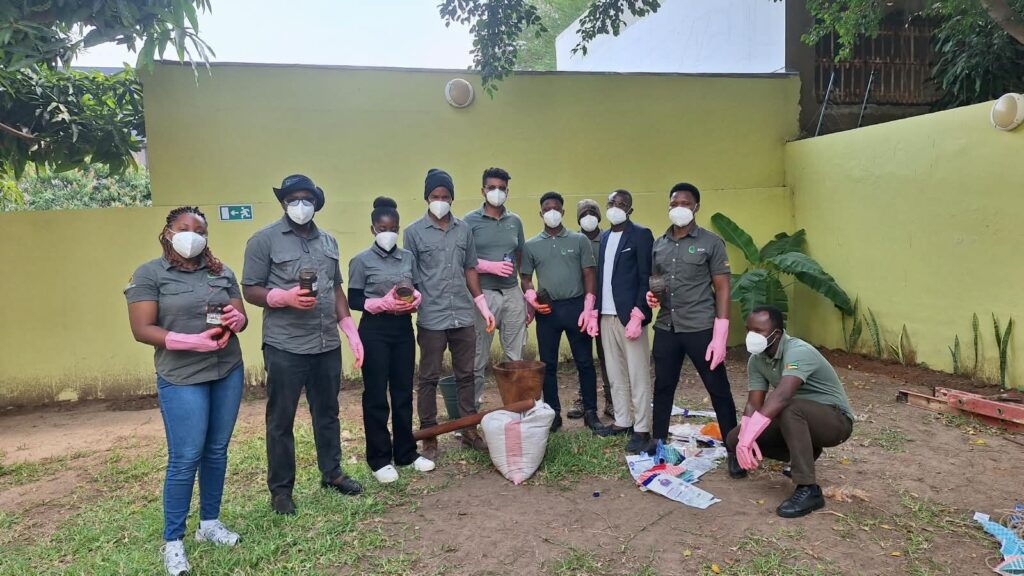
In August, our Great Limpopo REDD+ Project team in Mozambique took part in a Human-Wildlife Conflict Mitigation training, focused on practical ways to help communities reduce conflict with elephants.
One of the key aspects of the training was its focus on approaches that can be replicated at community level. These included measures such as chilli bombs and chilli fences, which can be used as deterrents to help keep elephants away from crops. The aim is to take these practical approaches into the communities where human-wildlife conflict is most pressing.
BCP will progressively integrate the training into its existing field activities, which will enable the approaches to be shared with Biodiversity Focal Points, Agri Leaders, Traditional Leaders and community members, prioritizing communities most affected by human-wildlife conflict.
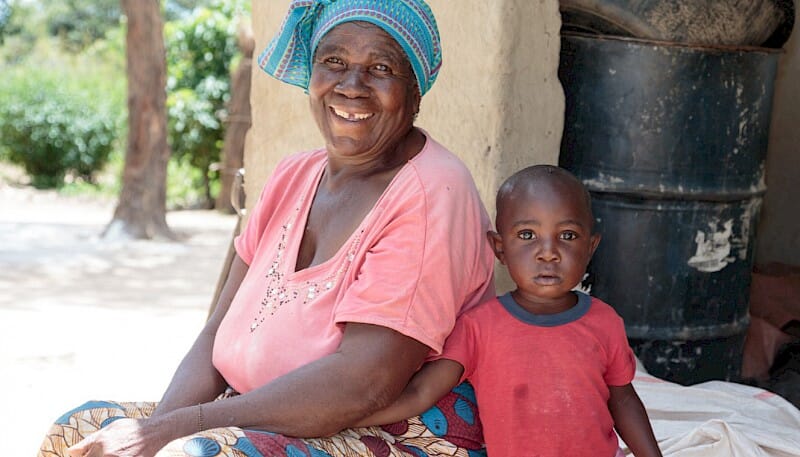
For a farmer, losing a crop to elephants is not simply a conservation issue. It can mean losing food for the household or income that was expected from selling part of the harvest. This is why practical approaches to human-wildlife conflict are so important.
Conservation cannot be separated from the people living in and around these landscapes. Communities need to be equipped with practical ways to manage the challenges that come with living alongside wildlife, while wildlife needs to be protected from increasing conflict with people.
A Human-Wildlife Conflict Mitigation Tracker is also being finalized. The tracker will help identify and rank communities according to their level of human-wildlife conflict, from highest to lowest priority. It will be used to help plan, record, and monitor implementation, providing a more structured way of identifying where support is needed most and tracking how mitigation measures are being introduced over time.
By building knowledge within BCP and progressively sharing practical approaches with communities, the goal is to help reduce conflict while supporting the continued protection of wildlife and the landscapes they depend on.
The next stage is taking what was learned in the training room into the field, starting with the communities where the need is greatest – watch this space!
Related Articles